
Crossover IT
Newsletter
Crossover IT Newsletter delivers the latest tech trends, insights, and practical tips, helping IT pros and enthusiasts stay ahead and sharpen their skills in a rapidly evolving digital world.
Recent Blog Posts

Event Logging Best Practices
Today’s businesses are no stranger to the word cybersecurity. They are facing a growing wave of cyberattacks. These come from ransomware to sophisticated phishing schemes. How do you stand ahead of these threats? A strong cybersecurity strategy is essential. One crucial component of this strategy is event logging. It’s one that not every business owner is aware of.
Google Search Malvertising
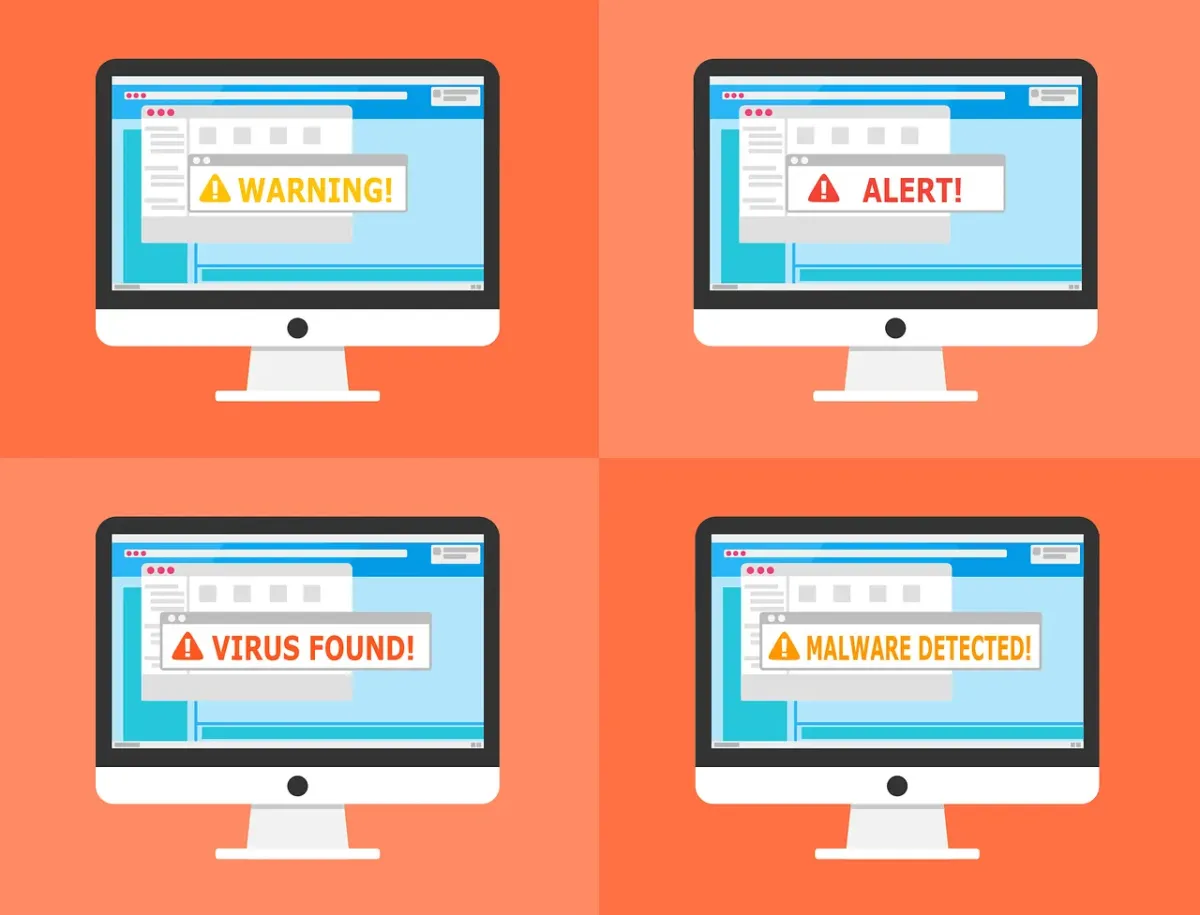
There are many types of malware. One of the most common is called “malvertising.” It crops up everywhere. Including social media sites and websites. You can also see these malicious ads on Google searches.
Two things are making malvertising even more dangerous. One is that hackers use AI to make it very believable. The other is that it’s on the rise, according to Malwarebytes. In the fall of 2023,
malvertising increased by 42% (month over month)
.

Embrace Cashless Evolution
Discover the essential tech tools that can help micro and small businesses streamline operations, improve customer engagement, and scale sustainably. From cloud solutions to CRM platforms, this guide breaks down affordable and scalable options for every MSB.
Data Breach Notice
When it happens, you feel powerless. You get an email or letter from a business saying someone breached your data. It happens all too often today.
Data breaches happen at banks, online sites like Facebook, and ecommerce stores. Not only that, but governments are also victims. This leaves things like your address, SSN, and credit card details exposed to thieves.
A business getting hacked is something you have little control over. But you can take important steps afterwards. We’ve outlined the most important things to do below. These steps can help you mitigate the financial losses.
Read more from our Blogs
5 Common Cyber Threats in 2025 (and How To Avoid Them)
Cyber Threats in 2025: How to Stay Protected
Understanding Modern Cyber Threats
Cyber threats are evolving rapidly, targeting individuals, businesses, and organizations worldwide. These attacks aim to steal data, cause financial loss, or disrupt systems. Understanding these threats and how to defend against them is crucial.
Most Common Cyber Threats in 2025
Cybercriminals are constantly developing new methods to exploit vulnerabilities. Below are some of the most common threats:
Phishing Attacks
Phishing remains one of the most prevalent cyber threats.
Attackers trick users into providing personal information through fake emails and websites.
How to Stay Safe: Always verify the sender’s email address and avoid clicking suspicious links.
Ransomware
Ransomware encrypts your files and demands a payment to restore access.
It spreads through malicious email attachments or unsafe downloads.
How to Stay Safe: Regularly update your software and maintain secure backups.
Malware
Malware is malicious software designed to harm or exploit devices.
It can steal sensitive data, spy on your activities, or damage your system.
How to Stay Safe: Use reputable antivirus software and avoid downloading files from unknown sources.
How to Protect Yourself Online
To defend against cyber threats, adopting good cybersecurity practices is essential.
Use Strong Passwords
Create complex and unique passwords for each account.
Use a combination of uppercase letters, numbers, and symbols.
Consider using a password manager for better security.
Enable Two-Factor Authentication (2FA)
2FA adds an extra layer of protection by requiring a secondary verification step.
This could be a code sent to your phone or an authentication app.
Always enable 2FA for critical accounts like email and banking.
Be Cautious with Public Wi-Fi
Public Wi-Fi networks are unsecured and can expose your data to hackers.
Use a Virtual Private Network (VPN) to encrypt your internet connection.
Avoid logging into sensitive accounts while using public Wi-Fi.
Why Cybersecurity Matters for Everyone
Cyber threats are not just a concern for corporations—individuals also face risks.
Protect Personal Information
Cybercriminals use stolen data for identity theft and financial fraud.
Be mindful of the information you share online, especially on social media.
Secure Financial Transactions
Online shopping and banking require extra caution.
Only use secure websites (look for HTTPS in the URL).
Regularly monitor your financial accounts for unauthorized transactions.
What to Do If You Become a Cyber Attack Victim
Even with the best security practices, cyber incidents can still occur. Knowing how to respond can minimize damage.
Report the Incident
If you suspect a cyberattack, report it to the appropriate authorities.
Contact your bank or service provider if financial data is compromised.
Change Your Passwords
Immediately update passwords for affected accounts.
Use a password manager to generate strong replacements.
How Will Cyber Threats Evolve in the Future?
Cybercriminals continue to adopt new technologies to improve their attacks. Here are some threats to watch for:
AI-Powered Attacks
Attackers are using artificial intelligence to automate and enhance cyber threats.
AI-driven phishing and malware can adapt to security measures, making them harder to detect.
Internet of Things (IoT) Vulnerabilities
The increasing number of smart devices creates more entry points for hackers.
Ensure all IoT devices have strong security settings and regular updates.
Stay Safe Online: Contact Us for More Tips!
Cyber threats are growing, but with the right strategies, you can stay ahead of attackers.
Crossover IT specializes in cybersecurity solutions for SMBs in Newcastle. Contact us today to learn how we can help protect your business and personal data from evolving cyber threats!

Innovation
Fresh, creative solutions.

Integrity
Honesty and transparency.

Excellence
Top-notch services.

FOLLOW US


COMPANY
CUSTOMER CARE
LEGAL
Copyright © 2024. CROSSOVERIT. All Rights Reserved. Newcastle, Australia.