Data Breach Notice
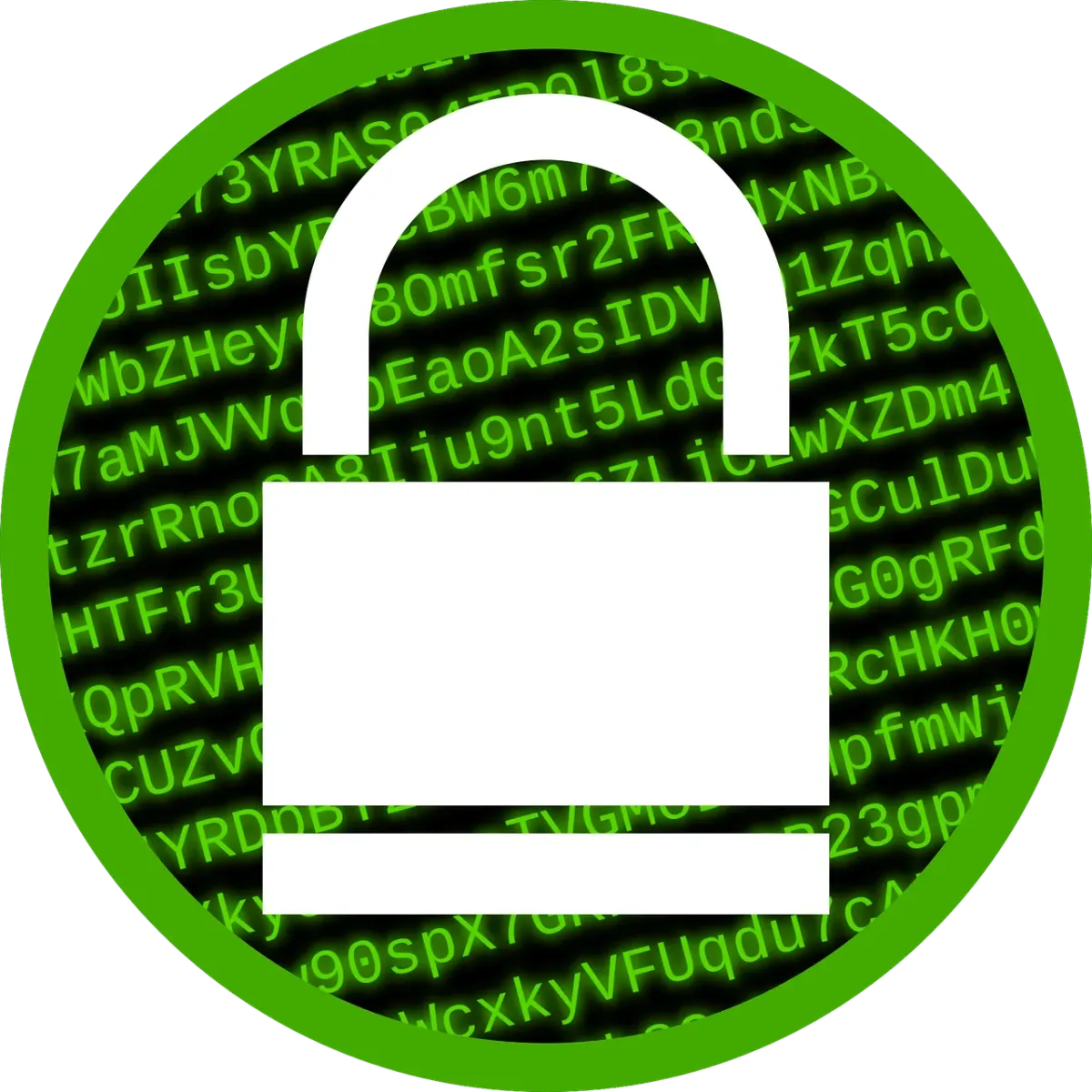
When it happens, you feel powerless. You get an email or letter from a business saying someone breached your data. It happens all too often today.
Data breaches happen at banks, online sites like Facebook, and ecommerce stores. Not only that, but governments are also victims. This leaves things like your address, SSN, and credit card details exposed to thieves.
A business getting hacked is something you have little control over. But you can take important steps afterwards. We’ve outlined the most important things to do below. These steps can help you mitigate the financial losses.
Change Your Passwords
The very first thing you should do is change your passwords. Change the password for the service that sent you the breach notification first. Then, change it for any logins using the same password.
This is one of the reasons it’s a best practice to use unique logins for every site. Many people get in the habit of using the same password in several places. This leaves more than the single breached login at risk. Use a password manager to help you create strong passwords. You only need to remember one to access all the others.
Enable Multifactor Authentication (MFA)
Multifactor authentication can keep accounts secure, even if a hacker stole the password. Enable it for the breached service. Then, ensure you have MFA activated for all other logins, where possible. MFA is also called two-factor authentication or two-step verification.
Common forms of MFA are:
Text message
Authentication app
Security key
Image
Check Your Bank Accounts
If payment card details were breached, check bank accounts. You’ll want to watch these for several weeks for fraudulent charges. Report the breach to your bank to have them issue you a new card, if needed.
Notify your bank about the 3rd party data breach. This can help keep you from being held responsible for fraudulent charges. It’s good to get out ahead of it. Your bank can then help you with appropriate steps to avoid fraud.
Image
Freeze Your Credit
Online criminals will often sell breached personal details. These details can enable someone to take out credit in your name. Contact the three credit agencies. They each have ways to freeze your credit to protect you. You can do this right on their websites.
The three credit agencies are:
Equifax
Experion
TransUnion
Carefully Review the Breach Notification
It’s important to understand exactly how the data breach may impact you. Review the notice you received. Additionally, look for updates on the company website.
These are the things you should be looking for:
The type of data exposed (passwords, card numbers, etc.)
What reparations the company is making (e.g., credit monitoring)
Any instructions given to secure your account
Regularly check the company’s website. Often, they don’t immediately know how far reaching the breach is. You may check back later and find out other types of sensitive data were exposed.
Get Good Cybersecurity Options
Make sure you protect your device and network. There are some simple tools you can use to beef up personal device security. These include:
A good antivirus/anti-malware program
DNS filtering to block malicious sites
Email spam filtering for phishing
Another good protection you can use is a VPN. This helps mask your traffic. It is especially helpful if you’re using a public Wi-Fi. VPNs are easy to use. You can use VPNs for both computers and mobile devices.
Be on the Lookout for Phishing Scams
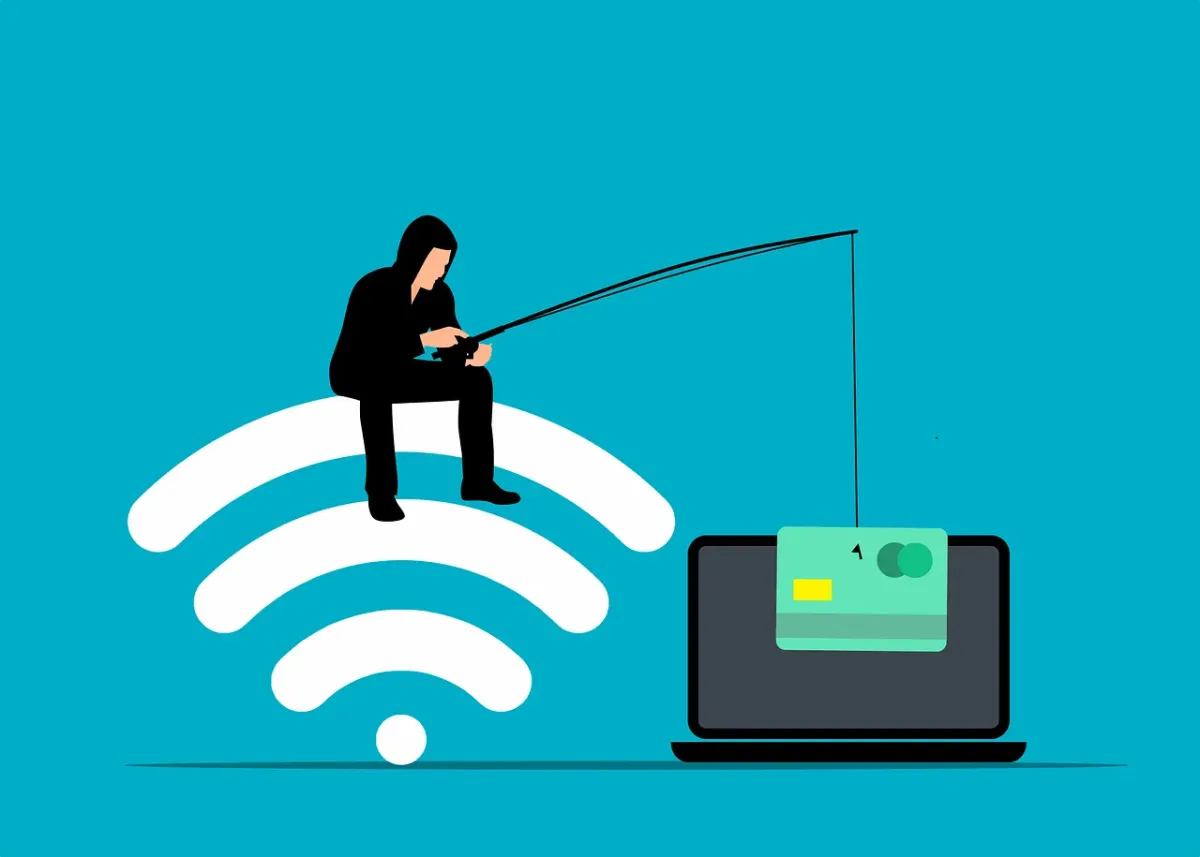
Emails are often exposed in data breaches. This means you may receive an uptick in phishing emails. Phishing is very convincing since criminals have AI at their disposal. Phishing emails often are hard to spot from the real thing.
Stay ultra-aware of any unexpected emails. Follow best practices to avoid becoming a phishing victim:
Hover over links to see them
Go to websites directly
. Don’t click email or SMS links
Beware of unknown senders
Watch for phishing on social media and text messages
When in doubt, double check through an official source
Make Sure to Update Software and Systems
Hackers often exploit unpatched vulnerabilities. How do you get unpatched vulnerabilities? Most times it’s from failing to keep software updated.
Make sure to update your device operating system. Update all apps or software on your devices. Update firmware for routers and printers. Update firmware for smart devices.
There are so many updates we need to do with our electronics. Automating your updates is a good way to stay protected.
Managed Security Services You Can Count On
The cashless revolution is here. It’s time for small businesses to embrace it. By adopting digital payments, you can enhance your customer experience as well as improve efficiency and reduce costs.
As your trusted IT partner, we're here to support you every step of the way. Let's make the transition to cashless payments a seamless one for your business.
Reach out by phone or email to schedule a chat today.
Read more from our Blogs
A Small Business Guide to Implementing Multi-Factor Authentication (MFA)
Cybercriminals are relentless, and weak passwords are their favourite target. For small to medium businesses (SMBs) in Newcastle, a simple password just isn’t enough anymore. That’s why Multi-Factor Authentication (MFA) has become an essential security tool.
At Crossover IT, we help SMBs across Newcastle implement MFA in a way that’s simple, practical, and effective — without breaking workflows.
Why MFA Matters for SMBs
MFA adds an extra layer of defence. Even if a hacker steals a password, they still can’t get in without a second factor, like a text code or a fingerprint. With nearly 43% of cyberattacks targeting small businesses, MFA is a must-have, not a “nice to have.”
How MFA Works
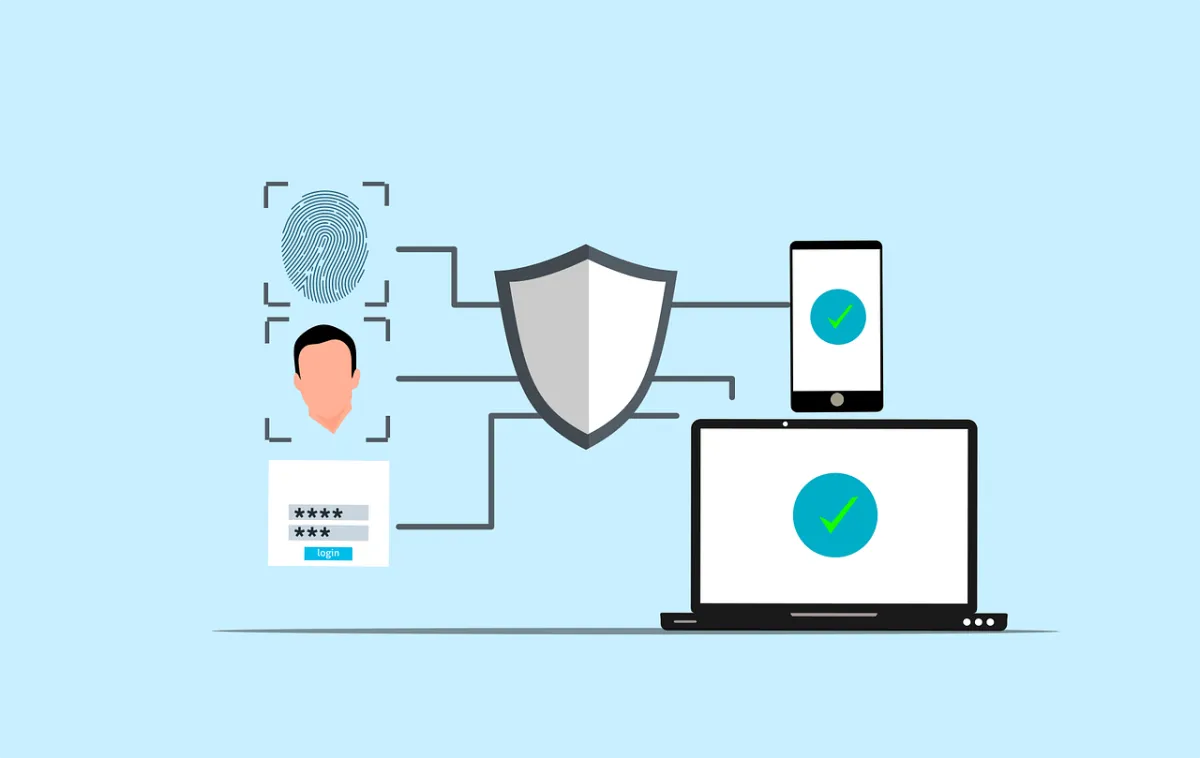
MFA uses at least two of these factors to verify identity:
Something you know (like a password)
Something you have (like a smartphone or security token)
Something you are (like a fingerprint or facial scan)
By combining them, you make it far harder for attackers to break through.
How to Roll Out MFA in Your Business
A smooth MFA rollout takes planning. Here’s a step-by-step guide:
1. Assess Your Risk
Identify which systems hold your most valuable data, like:
Email accounts
Cloud services (Microsoft 365, Google Workspace)
Customer databases
Remote access tools
Start your MFA rollout with these priority areas.
2. Choose the Right MFA Solution
Popular options for small businesses include:
Google Authenticator: Free, simple, and effective
Duo Security: User-friendly with flexible options
Authy: Allows multi-device syncing
Okta: Enterprise-grade with advanced integrations
Pick a solution that fits your team’s budget, size, and ease of use.
3. Roll Out in Phases
Don’t try to force MFA on every employee at once. Roll it out in stages:
Start with leadership and admin accounts
Expand to other critical teams
Then cover all staff accounts
This phased approach helps with training and adoption.
4. Train Your Staff
Most MFA failures happen because employees don’t understand how to use it. Provide clear instructions, videos, or even quick walkthrough sessions to help them get comfortable.
5. Monitor and Adjust
Once MFA is active, monitor its performance:
Check adoption rates
Gather feedback on ease of use
Fine-tune policies if needed
Revisit your MFA policies regularly as your business grows.
Overcoming Common MFA Challenges
Some businesses fear MFA will frustrate employees or cause delays. The reality is, modern MFA tools are designed to be quick and user-friendly. By offering support and training, you can keep the process smooth.
MFA: A Simple Win for Big Security
Adding MFA is one of the fastest, most affordable ways to strengthen your business security. It’s a small step that can block massive threats.
Need help implementing MFA or securing your critical accounts?
Contact Crossover IT — the go-to MSP for SMBs in Newcastle — to build a safer, stronger business.


Innovation
Fresh, creative solutions.

Integrity
Honesty and transparency.

Excellence
Top-notch services.

FOLLOW US


COMPANY
CUSTOMER CARE
LEGAL
Copyright © 2024. CROSSOVERIT. All Rights Reserved. Newcastle, Australia.